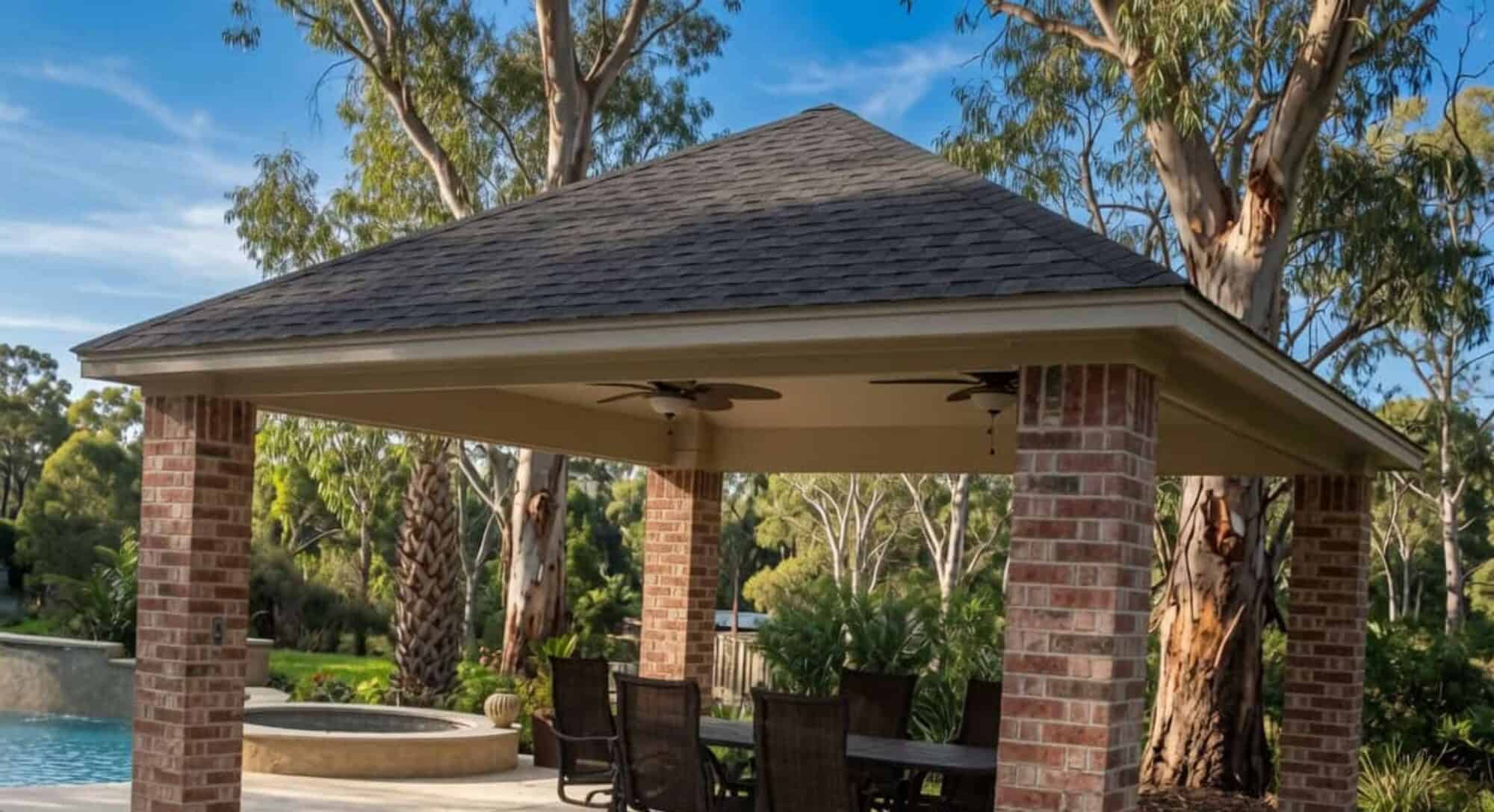

Coastal Installation Requirements for Outdoor Structures: Stainless Steel Fixings, Corrosion Protection & More
Living near the coast brings beautiful views — but also significant challenges for outdoor structures. Salt spray, high humidity, and strong winds accelerate corrosion and put extra stress on fixings, framing, and roofing materials.
At Outdoor Gazebos Australia, we’ve helped many customers build durable gazebos, pergolas, and patios in coastal areas. Here’s what you need to know about proper installation in high-corrosion zones.
Why Coastal Areas Demand Special Attention
Coastal environments are classified under high to very high corrosivity categories (C3–C5) in Australian standards. Salt-laden air can corrode standard galvanised steel within a few years. Combined with high wind loads in many beachside locations, this makes proper material selection and detailing essential.
Key Installation Requirements for Coastal Zones
1. Fixings & Fasteners
- Use 316 marine-grade stainless steel screws, bolts, and brackets (especially within 500m–1km of the coast).
- Avoid standard galvanised fixings — they corrode quickly in salt air.
- Cyclone-rated stainless screws for roofing and cladding in high-wind coastal areas.
2. Framing Materials
- Metal Framing Option (highly recommended): Powder-coated or marine-grade aluminium, or hot-dip galvanised steel with additional protective coatings.
- Timber: Must be H3 or higher treated. Even better — switch to metal in severe coastal zones.
- Proper isolation between dissimilar metals (e.g., stainless screws with aluminium) to prevent galvanic corrosion.
3. Roofing & Deck Systems
- Colorbond Ultra or equivalent for roofing sheets in coastal areas.
- Our 12mm fibre cement sheet deck performs very well in coastal conditions — it is non-combustible and highly resistant to salt attack.
- Full sarking and proper edge flashing with stainless steel components.
4. Tie-Downs & Foundation Connections
- Continuous tie-down path from roof to foundation using stainless steel straps or threaded rods.
- Enhanced base plates and chemical anchors for posts.
- In high-wind coastal zones (N4/C2 and above), full engineering is strongly recommended.
5. Additional Coastal Best Practices
- Excellent drainage and ventilation under the structure to reduce moisture buildup.
- Regular inspection points for fixings and coatings.
- Use of marine-grade sealants on all joints.
Our Recommended Coastal System
For coastal projects, we strongly recommend our enhanced metal framing + cement sheet deck option combined with:
- 316 stainless steel fixings throughout
- Marine-grade coatings on metal components
- Proper cyclone-rated detailing (if required by wind rating)
This system delivers excellent long-term durability, fire resistance, and wind performance in one complete package.
Common Mistakes to Avoid
- Using standard galvanised fixings near the beach
- Inadequate separation between dissimilar metals
- Poor drainage allowing salt water to pool
- Skipping professional engineering in high-wind coastal locations
Conclusion
Building outdoor structures in coastal areas requires more than just good looks. With the right materials, fixings, and detailing — particularly marine-grade stainless steel and our metal framing + cement sheet system — you can enjoy a beautiful and long-lasting gazebo or pergola that stands up to salt, wind, and weather for many years.
Ready to build a durable coastal outdoor structure?
Contact us today for expert advice, material recommendations, and a quote tailored to your coastal site.
0413 742 745
richard@roofing-materials.com.au
Request a site assessment
Protect your investment with a properly engineered coastal solution designed for Australian conditions.